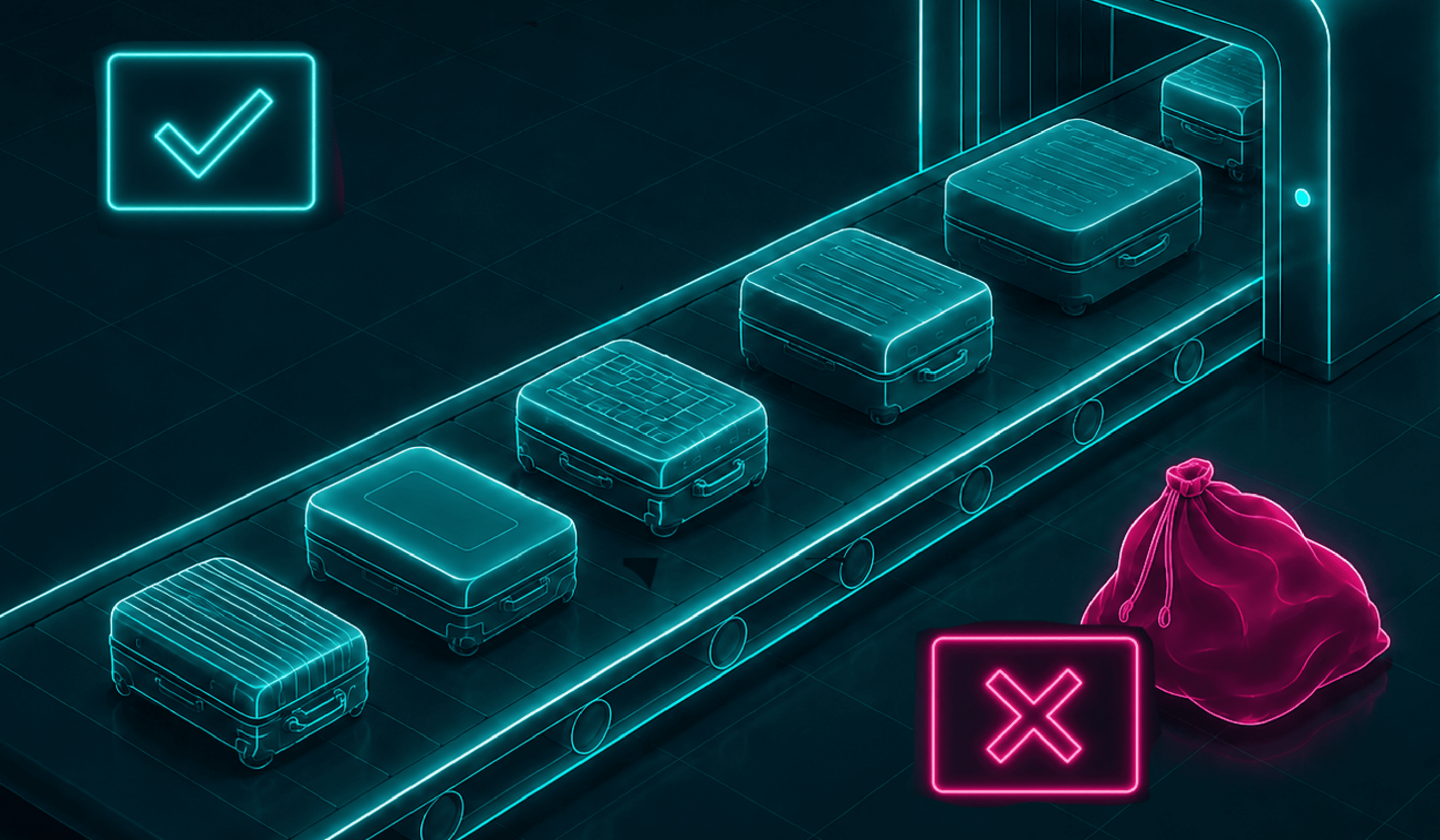
A purchase request in indirect procurement is rarely complicated because the product itself is difficult to source. It becomes complicated because many rules apply at the same time and raise...
The operational procurement function of many companies is under growing pressure, as departments expect faster procurement processes and simpler user experiences. At the same time, procurement organizations have to take...
According to Deloitte’s Global Chief Procurement Officer (CPO) Survey 2025 [1], margin improvement through cost reduction and operational efficiency rank among the top priorities for procurement leaders. At the same...
Operational procurement is often under significant pressure. Business functions expect short lead times, procurement must ensure compliance, and IT is expected to keep integration and operating costs under control. At...
Artificial intelligence (AI) is transforming indirect procurement. Especially in complex procurement environments, there is significant potential to automate routine processes through AI. Agentic AI applications, in particular, are well suited to this: as...
In many software projects, Total Cost of Ownership (TCO) is implicitly equated with the licence or subscription costs. Modern solutions are almost universally offered on an annual subscription basis –...
Digital procurement only works if employees actually use the systems. Yet this is precisely where things often fail – especially in indirect procurement, where many requesters only place orders occasionally....
Procurement departments face the structural decision of whether a single “suite” should cover the entire source-to-pay scope, or whether specialised, ERP-proximate solutions for specific segments represent the more robust choice....